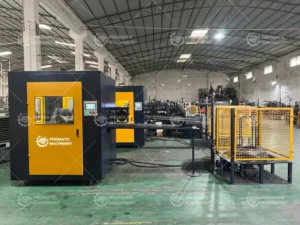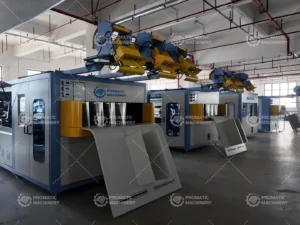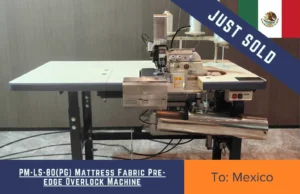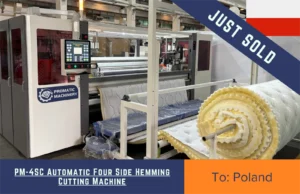
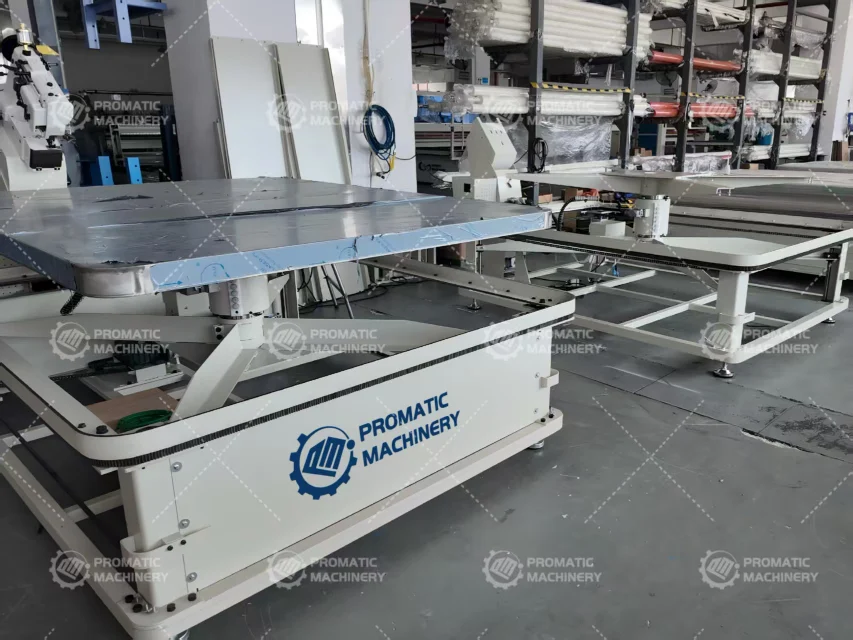
Tape edge machines deliver the final, flawless seal that transforms a mattress assembly into a durable, inviting bed, stitching protective borders around the edges to lock in comfort layers and prevent fraying over years of use. These specialized sewing devices automate what was once a labor-intensive hand task, ensuring uniform seams that boost both aesthetics and longevity in bedding production. By binding top panels, borders, and bottoms with precision, they create the sturdy perimeter essential for quality sleep surfaces trusted in homes worldwide.
What Makes Tape Edge Machines Essential in Mattress Making
The Role of Edges in a Sturdy Mattress
The edges of a mattress act like the frame of a picture, holding everything together and giving shape to the whole bed. Without strong edges, the inner springs or foam could shift, causing lumps or weak spots that make sleep uncomfortable. Tape edging reinforces these borders by sewing a tough strip of fabric around the perimeter, which protects against wear from sitting or rolling off the side. This simple step keeps the mattress looking neat and feeling supportive, much like how a belt holds up pants during a long day. In factories, skipping proper edging could lead to returns or complaints, but with the right machine, every bed comes out ready for cozy nights.
Why Tape Edge Machines Beat Manual Methods
Hand-sewing edges takes hours and often results in uneven stitches that weaken the mattress over time. Machines, on the other hand, zip through the job with steady speed and straight lines, cutting production time by up to 300 percent compared to old ways. They handle heavy fabrics without tiring, ensuring the tape lies flat and tight every time. This reliability means fewer mistakes and happier workers, who can focus on quality checks instead of sore hands. Brands like Yuantian Machinery highlight how automation turns a bottleneck into a breeze, making high-volume runs possible without sacrificing detail.
How a Tape Edge Machine Works Step by Step
Preparing the Mattress for Edging
Before the sewing starts, workers place the half-assembled mattress—complete with its core, padding, and border—onto the machine’s flat table. They adjust the height and angle of the sewing arm to match the bed’s thickness, which can range from slim 3-inch pads to plush 20-inch models. Next, they thread the binding tape through guides, pulling it taut like stringing a guitar. Sensors or manual knobs set the speed, ensuring the setup fits the job. This prep phase, lasting just minutes, lines everything up for a smooth run, avoiding snags that could ruin the seam.
Sewing the Tape Along the Border
With a press of the start button or knee pedal, the machine springs to life. The sewing head glides around the mattress perimeter on a rotating arm, stitching the tape to the top panel and border in one continuous loop. It slows at corners for tight turns, using a walking foot to grip thick layers without slipping. Thread feeds evenly, forming lockstitches that pull fabric snug without puckers. For double-sided jobs, an auto-flip mechanism turns the mattress over mid-process, sewing the bottom in the same precise path. The whole circuit takes 5 to 15 minutes per queen-size bed, depending on the model.
Finishing and Inspecting the Edges
Once the cycle ends, the machine cuts the thread and tape automatically, leaving clean ends. Operators then lift the finished mattress off the conveyor, flipping it if needed for a final look. They run hands along the edges to check for loose spots or gaps, tugging gently to test strength. If all’s well, it heads to packaging; if not, a quick re-stitch fixes it fast. This inspection catches rare flaws early, keeping defect rates under 2 percent in well-run lines. Modern machines even use cameras for spot checks, adding an extra layer of assurance.
Key Parts of a Tape Edge Machine
The Sewing Head: Stitching with Precision
The sewing head is the star of the show, a heavy-duty needle arm powered by a quiet motor that punches through multiple fabric layers. It features a walking foot mechanism—two feet that step forward together—to handle bulky quilts without bunching. Adjustable presser feet adapt to thicknesses from 5 to 52 centimeters, while thread tension dials keep stitches even. Brands like Zimlin equip theirs with PFAFF or Singer heads for reliable performance, ensuring thousands of seams per shift without skips.
The Conveyor System: Moving the Mattress Smoothly
Beneath the action lies the conveyor belt, a motorized track that slides the mattress into position and ejects it when done. Wide belts with grippy surfaces prevent slips on heavy loads up to 100 kilograms, while side rails keep edges aligned. In automatic models, it links to flippers that rotate the bed 180 degrees for double sewing, saving steps. This flow keeps operators stationary, reducing strain and boosting output to 100 units per eight-hour day. Smooth movement means fewer adjustments and faster cycles overall.
Controls and Tension Adjusters
A touchscreen or dial panel serves as the brain, letting users tweak speed from 200 to 800 stitches per minute and set corner slowdowns. Tension adjusters—knobs or digital sliders—fine-tune thread pull to match fabric types, preventing breaks or loose loops. Safety sensors halt the machine if jams occur, with lights signaling issues. These features make operation intuitive, even for new hires, and log data for tracking wear.
Benefits of Using Tape Edge Machines in Factories
Creating Strong, Neat Finishes for Longer Life
Automated edging binds layers tighter than hands can, distributing stress evenly to fend off tears or sags. The uniform tape application adds a barrier against dust and moisture, extending mattress life by 20 to 30 percent. Neat borders enhance appeal on showroom floors, drawing buyers who notice the pro finish. Factories report fewer warranty claims, as sturdy edges hold up to daily tumbles from bed to floor.
Speeding Up Production Without Errors
One machine replaces three manual stations, ramping output from 20 to 80 mattresses daily with just one operator. Precision guides eliminate wavy seams, cutting rework by 50 percent. In busy seasons, this surge meets demand without hiring rushes, keeping lights on and orders flowing.
Saving Time and Materials in the Long Run
Less waste from botched stitches trims fabric costs by 15 percent, while durable builds mean machines last 10 years with care. Energy-efficient motors sip power, and quick setups switch between sizes in under five minutes. Over time, these savings compound, funding upgrades that keep factories competitive.
The History and Future of Tape Edge Technology
From Hand-Stitching to Automated Edges
Back in the early 1900s, mattress makers sewed edges by hand, a slow chore that limited output to a few beds per day. The breakthrough came in 1934 when Union Special unveiled the first tape edge machine at Chicago’s World’s Fair, speeding things up with mechanized arms. Post-war booms drove refinements, adding motors and belts by the 1960s. Today, these evolutions have scaled production from cottage crafts to global giants, with machines like those from early innovators paving the way for modern lines.
New Features Coming to Tape Edge Machines
Tomorrow’s models integrate AI for self-adjusting speeds and predictive maintenance alerts via apps. Robotic arms promise seamless handling of odd shapes, while eco-threads and low-waste cutters align with green standards. By 2030, expect 50 percent faster flips and zero-downtime sensors, blending smarts with speed for factories chasing sustainability and scale. These upgrades will redefine edging as a high-tech finale.
Tips for Choosing and Maintaining Your Tape Edge Machine
What to Look for When Picking One Out
Seek models with auto-flip and conveyor for hands-free flow, supporting thicknesses up to 55 cm. Check stitch rates over 600 per minute and easy-change heads for versatility. Read reviews on sites like Softlife Machinery for real-user insights, and prioritize warranties over two years. Match capacity to your output—semi-auto for small shops, full-auto for high volume.
Simple Ways to Keep It in Top Shape
Clean dust from heads daily with soft brushes, and lubricate gears weekly to ward off squeaks. Swap needles every 10,000 stitches and inspect belts monthly for frays. Run empty cycles after shifts to clear threads, and calibrate tensions quarterly. These habits slash breakdowns by 70 percent, keeping seams sharp for years.
Summary of Key Points
Quick Recap for Easy Recall
Tape edge machines seal mattress borders with precision sewing, from prep and stitching to flips and checks, using heads, conveyors, and controls for flawless results. They outpace manuals with durable finishes, speed gains, and cost cuts, evolving from 1930s inventions to AI futures. Pick versatile models and maintain routinely for peak efficiency in bedding builds.
Frequently Asked Questions (FAQ)
How long does a tape edge machine take for one mattress?
Most finish a queen in 5 to 15 minutes, including flips. Speed varies by size and automation level, but operators handle 50 to 100 daily.
Can these machines handle different mattress sizes?
Yes, adjustable tables fit twins to kings, with heights from 3 to 55 cm. Quick setups switch types in minutes for flexible lines.
Are tape edge machines easy for beginners to use?
With touch controls and knee pedals, yes—training takes a day. Auto features reduce errors, though practice hones corner skills.