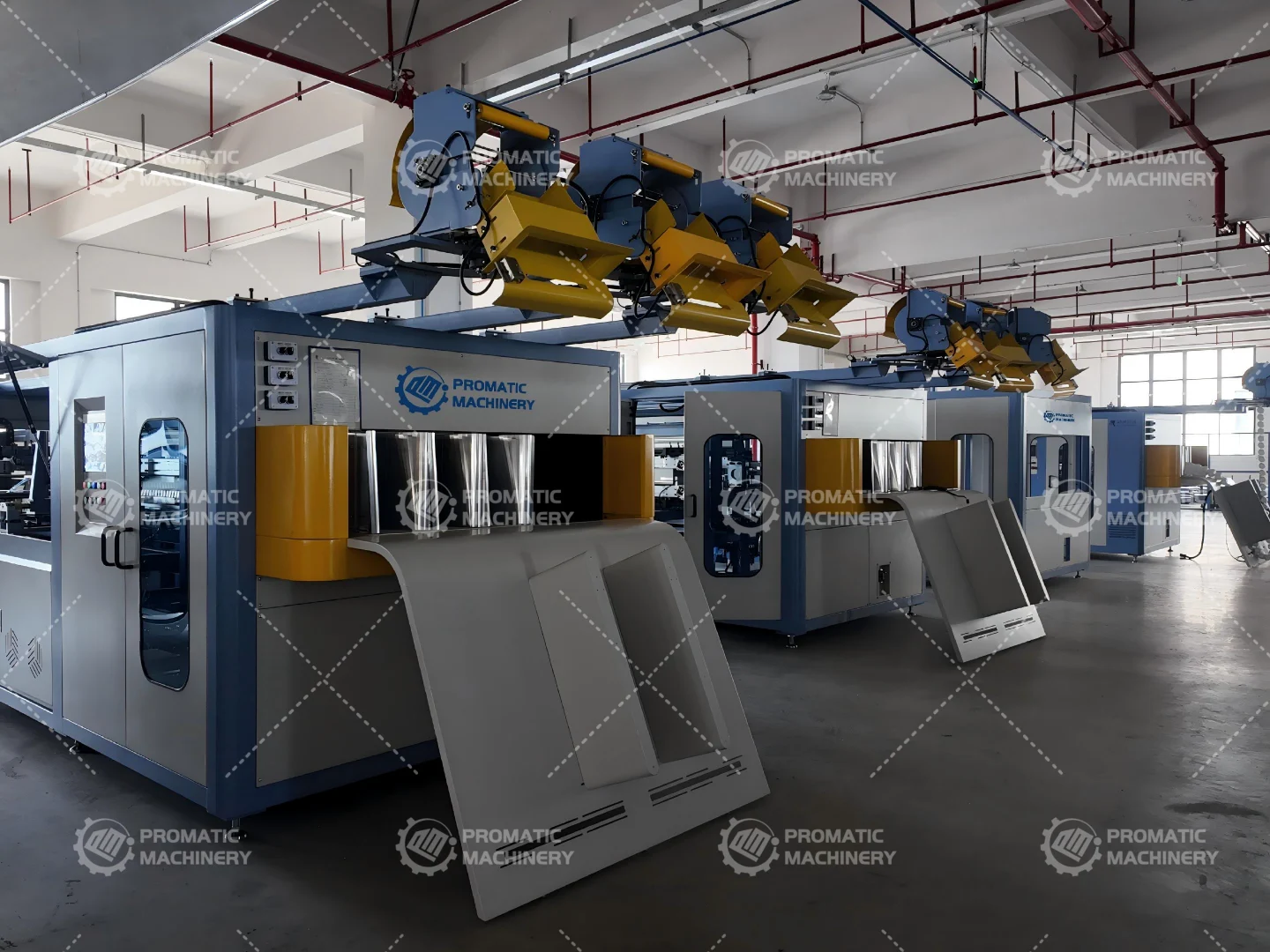
Pocket spring machines quietly power the creation of some of the world’s most comfortable mattresses, wrapping tiny metal coils in fabric pockets to cradle sleepers with personalized support. These clever devices turn plain wire into a grid of independent springs that move just right for each part of the body, reducing tosses and turns during the night. As mattress makers seek ways to blend old-school bounce with modern ease, understanding these machines reveals the hidden tech behind better rest.
What Makes Pocket Spring Machines Essential in Mattress Making
The Role of Springs in a Good Night’s Sleep
Springs form the backbone of most mattresses, acting like a team of helpers that lift and shape the bed to fit a person’s body. When you lie down, they push back gently to keep your spine straight and your muscles relaxed, which helps you fall asleep faster and stay asleep longer. Without strong springs, a mattress might sag in the middle, leading to aches in the back or neck by morning. In fact, experts say good spring support can improve sleep quality by up to 20 percent for many people. Pocket spring machines make sure each spring does its job perfectly by producing them in large numbers with exact sizes.
Why Pocket Springs Stand Out from Other Types
Not all springs are the same; some are connected like a big net, called Bonnell springs, which move as one unit and can shift when two people share the bed. Pocket springs, however, sit alone in their own fabric bags, so they respond only to the weight right above them—like a shoulder or hip—without bothering the rest of the mattress. This setup cuts down on motion transfer by about 70 percent compared to older styles, making it ideal for couples. Machines that build these pocket springs allow factories to create custom firmness zones, where softer spots go under lighter areas like the head and firmer ones under heavier spots like the legs.
How a Pocket Spring Machine Works Step by Step
Feeding Wire into the Machine
The process starts with a roll of high-quality steel wire, about as thick as a pencil lead, unspooling into the machine like thread on a sewing machine. Sensors guide the wire straight and at the right speed to avoid tangles, ensuring every coil starts even. This step is key because uneven wire can lead to wobbly springs that don’t last. Modern machines handle up to 100 meters of wire per minute, turning raw material into ready coils without a single kink.
Forming and Cutting the Coils
Next, the wire twists around spinning tools to shape hourglass-like coils, each about 3 to 5 inches tall, mimicking the natural curves of the body. Sharp blades snip the wire precisely after every few turns, creating hundreds of identical springs in a row. It’s like a high-speed baker rolling dough into perfect buns, but for metal. Computers control the tension so springs compress easily but bounce back strong, tested right on the line for quality.
Encasing Springs in Fabric Pockets
Once formed, each spring slides into a tube of non-woven fabric, like a sock for a coil, fed from giant rolls on the side. Heat seals the fabric shut around the spring, trapping it snugly without glue, which keeps things clean and eco-friendly. Rows of these pocketed springs then glue or clip together side by side, building a full mattress core in under an hour. This encapsulation step is what gives pocket springs their magic—freedom to move on their own.
Key Parts of a Pocket Spring Machine
The Wire Coiler: Heart of the Operation
At the center beats the wire coiler, a set of motorized arms and gears that bend the steel into springs with pinpoint accuracy. It adjusts for different wire thicknesses and coil heights via touch-screen settings, much like changing gears on a bike. Without this part, no springs would form, halting the whole line. Top models from companies like Zimlin Machinery can coil over 60 springs a minute, keeping factories humming.
The Pocket Former: Creating the Envelopes
The pocket former unfolds fabric sheets, cuts them to size, and wraps them around the springs using rollers and folders. It’s a bit like an assembly line for gift-wrapping, but automated and lightning-fast. This unit often includes heat-sealing bars that fuse the fabric edges without burning the material inside. Reliable pocket formers reduce waste by 15 percent, saving money on fabric rolls.
Assembly and Quality Check Tools
Finally, assembly tools line up the pocketed springs and bond them into a grid, while cameras and sensors scan for defects like loose pockets or bent coils. If something’s off, the machine pauses and alerts workers via lights or buzzers. These checks ensure every mattress core meets safety standards before adding foam or covers. Integrated software logs data, helping factories track performance over time.
Benefits of Using Pocket Spring Machines in Factories
Boosting Comfort and Support for Sleepers
By crafting independent springs, these machines build mattresses that hug the body like a custom glove, easing pressure points and promoting deeper sleep. Users report fewer wake-ups and less morning stiffness, thanks to the zoned support that firmer cores provide under the lumbar area. Studies show pocket spring beds score 25 percent higher in comfort tests than traditional ones. This edge helps brands stand out in stores crowded with flat foam options.
Speed and Efficiency in Production
Factories love how these machines churn out full cores in minutes, not hours, boosting output from dozens to hundreds of units daily. Automation means fewer workers per mattress, cutting labor costs by up to 40 percent while keeping quality steady. One operator can oversee multiple lines, freeing hands for other tasks like packaging.
Saving Money and Reducing Waste
Precise cutting and sealing minimize scrap wire and fabric, dropping material waste below 5 percent—far better than hand methods. Over time, the machines pay for themselves through faster runs and fewer errors, with returns on investment in under two years for busy shops. Eco-bonus: Less waste means greener factories, appealing to buyers who care about the planet.
The History and Future of Pocket Spring Technology
From Handmade Springs to Automated Machines
Pocket springs trace back to 1900, when English inventor James Marshall dreamed up a way to wrap coils in cloth for better isolation, patenting his idea after years of tinkering. By the 1920s, companies like Simmons scaled it up with early machines, shifting from blacksmith hammers to factory floors. Today, what started as a luxury perk graces millions of beds worldwide, evolving with steel alloys for quieter, longer-lasting coils.
New Ideas Coming to Pocket Spring Machines
Looking ahead, builders are weaving in smart sensors to track sleep patterns or adjust firmness via apps, blending springs with tech for “smart beds.” Glue-free welding and recycled fabrics promise even greener production, while AI tweaks coil shapes for personalized comfort. By 2030, experts predict these machines will cut energy use by 30 percent, making premium mattresses affordable for all.
Tips for Choosing and Maintaining Your Pocket Spring Machine
What to Look for When Buying One
When shopping, pick a machine that matches your factory size—smaller units for startups, high-speed ones for big runs. Check for easy-to-swap parts and user-friendly screens, plus warranties over a year. Reading reviews on sites like Mattress Machinery Hub can guide you to reliable models that balance cost and output.
Simple Ways to Keep It Running Smoothly
Regular care keeps machines purring: Wipe down coils weekly to clear dust, and oil moving parts monthly per the manual. Train staff on safe loading to avoid jams, and run test batches after downtime. Catching small issues early, like worn blades, prevents big breakdowns and extends life to 10 years or more.
Summary of Key Points
Quick Recap for Easy Understanding
Pocket spring machines transform wire into supportive mattress cores through coiling, pocketing, and assembly, offering independent comfort that beats older designs. Key parts like the coiler and pocket former drive efficiency, while benefits include faster production, cost savings, and better sleep. From Marshall’s 1900 invention to future smart integrations, these tools shape the bedding world—choose wisely and maintain well for lasting success.
Frequently Asked Questions (FAQ)
How long does a pocket spring machine take to make one mattress?
A standard machine can produce a full mattress core in 20 to 45 minutes, depending on size and zones. This speed comes from automated steps that handle wire to assembly without pauses. For custom jobs, add a bit more time for tweaks.
Are pocket springs better for back pain?
Yes, their independent movement supports the spine naturally, reducing pressure on sore spots. Many doctors recommend them for back issues, as they adapt to body shifts better than linked springs. Pair with a firm top layer for best results.
Can small factories afford these machines?
Absolutely—entry-level models start under $50,000, with financing options available. They pay back quickly through higher output and less waste. Start small and scale up as sales grow.