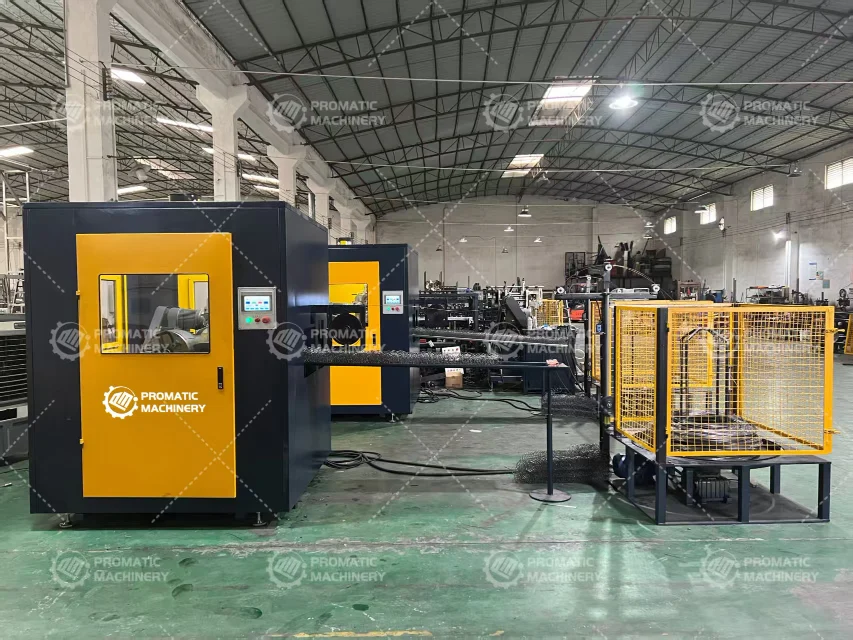
Bonnell spring machines form the sturdy foundation of countless classic mattresses, twisting steel wire into interconnected hourglass coils that deliver reliable bounce and support for a restful night. These time-tested devices automate the creation of traditional innerspring cores, ensuring even weight distribution across the bed while keeping production costs low for factories worldwide. As the go-to choice for budget-friendly bedding, they blend simple engineering with proven durability, making quality sleep accessible to everyone.
What Makes Bonnell Spring Machines Essential in Mattress Making
The Role of Springs in Everyday Comfort
Springs serve as the hidden heroes in mattresses, providing the lift that keeps bodies aligned and comfortable during sleep. They absorb weight and push back gently, helping to prevent sagging that leads to sore backs or restless nights. In a typical mattress, hundreds of these coils work together like a team, distributing pressure so no single spot bears too much load. Bonnell spring machines excel here by producing uniform coils quickly, ensuring every bed offers consistent support that lasts for years. Without reliable springs, even the fluffiest top layers would fail to deliver true rest.
Why Bonnell Springs Differ from Modern Designs
Unlike pocket springs, which sit independently in fabric bags for targeted movement, Bonnell springs connect in a grid using helical wires, creating a unified bounce that feels lively and responsive. This interconnected setup suits shared beds well, as the whole unit moves in harmony rather than isolating motions. While newer styles focus on zoned firmness, Bonnell’s classic hourglass shape offers broad, even support at a fraction of the cost—ideal for everyday use. Factories choose these machines for their simplicity, turning out durable cores that appeal to value-conscious shoppers.
How a Bonnell Spring Machine Works Step by Step
Starting with the Wire Feed
The journey begins with a spool of tough steel wire, usually 1.8 to 2.5 millimeters thick, fed steadily into the machine’s straightening rollers. These rollers smooth out any bends, preparing the wire like dough before baking. Sensors monitor the flow to keep everything even, preventing jams that could slow down the line. This precise start sets the stage for strong springs, with modern feeders handling up to 80 meters per minute. It’s a quiet, efficient process that keeps factories humming without waste.
Shaping the Hourglass Coils
Once straightened, the wire enters the coiling unit, where spinning mandrels twist it into hourglass-shaped loops—wider at the ends and narrow in the middle for better flex. Knives then snip the wire after about 5 to 7 turns, forming individual coils around 6 to 9 inches tall. Heat treatment follows right away, tempering the metal in a quick furnace to make it springy and tough. This step, all in seconds per coil, ensures the springs hold their shape under daily use. Computers fine-tune the tension, creating coils that compress smoothly but rebound strong.
Linking Springs into a Strong Unit
Finished coils drop onto a conveyor, where helical wires wrap around them like threads on a spool, tying rows together into a full grid. Assembly machines align everything perfectly, sometimes adding border wires for edge strength. The result is a bouncy core ready for foam and fabric layers, built in under 30 minutes for a queen-size bed. This final link-up gives Bonnell units their signature firmness, perfect for those who like a lively sleep surface. Glue or clips secure spots, but the helical ties do most of the heavy lifting.
Key Parts of a Bonnell Spring Machine
The Coiling Unit: Building the Basics
The coiling unit stands as the machine’s busy heart, with rotating tools and gears that shape wire into precise hourglass forms. Adjustable mandrels let operators tweak coil height and gauge for different mattress types, from soft to extra firm. Built from heavy steel, this part withstands constant motion, often running non-stop in large plants. Brands like KIMKOO integrate it seamlessly for smooth output. Without it, no springs emerge, stalling the whole operation.
The Assembly Tools: Connecting Everything
Assembly tools take the loose coils and weave them into a network using helical winders that spiral wires around intersections. These automated arms move with clockwork rhythm, ensuring tight connections without gaps. Tension controls keep the grid flat and even, ready for mattress borders. In advanced setups, PLC systems guide the process via touchscreens, making adjustments as easy as tapping a button. This section shines in high-volume factories, linking hundreds of coils flawlessly.
Tension and Quality Controls
Sensors and gauges dot the machine, checking wire pull, coil shape, and heat levels to catch flaws early. Cameras scan for bends or weak knots, halting the line if needed with alarms. These built-in checks maintain standards, reducing rejects by up to 90 percent. Regular calibration keeps readings accurate, helping machines run like clockwork year after year. Quality controls turn raw wire into trusted mattress hearts.
Benefits of Using Bonnell Spring Machines in Production
Providing Reliable Bounce and Support
These machines craft springs that offer firm, even support across the entire bed, easing pressure on hips and shoulders for better alignment. The interconnected design promotes airflow too, keeping sleepers cool on warm nights. Users often praise the lively feel, which suits active sleepers who shift positions often. In tests, Bonnell cores hold up to 20 years of use, outlasting many foam alternatives. This reliability builds customer trust in classic mattress brands.
Keeping Factories Running Fast and Smooth
Automation lets one machine produce over 1,000 springs hourly, slashing production time from days to hours. Fewer steps mean less labor, with operators overseeing multiple units at once. Energy-efficient models cut power bills by 25 percent, while quiet operation eases factory noise. High output meets demand spikes, like holiday rushes, without overtime costs. Speed keeps shelves stocked and profits steady.
Cutting Costs While Building Durability
Affordable to buy and run, these machines pay back in under a year through low material waste—under 2 percent per run. Durable parts last a decade with basic care, minimizing downtime. Eco-friendly steel recycling adds green appeal, attracting savvy buyers. Overall, they lower per-mattress costs by 30 percent versus handmade methods. Savings fuel growth for small and large makers alike.
The History and Future of Bonnell Spring Technology
From Early Inventions to Factory Standards
Bonnell springs trace roots to the 1800s, when Englishman Sir Edward Bonnell adapted buggy seat coils for beds, patenting the hourglass design for better bounce. By the early 1900s, factories automated production, turning luxury into everyday essentials. Post-World War II booms saw machines standardize, outfitting millions of homes with sturdy sleep. Today, they remain a staple, blending heritage with modern tweaks for timeless appeal. This evolution shaped the bedding world we know.
Updates and Innovations on the Horizon
Tomorrow’s machines promise smarter automation, with AI adjusting coils for custom firmness and robots handling assembly to boost speed 50 percent. Eco-materials like recycled alloys will cut carbon footprints, while hybrid designs mix Bonnell with foam for zoned comfort. By 2030, integrated sensors could track wear, predicting maintenance for zero downtime. These advances keep Bonnell relevant in a tech-driven market. Innovation ensures classics endure.
Tips for Choosing and Maintaining Your Bonnell Spring Machine
Features to Check Before Buying
Look for models with easy controls and modular parts for quick swaps, matching your output needs—small for startups, high-speed for big runs. Verify heat systems for even tempering and warranties over two years. Test runs reveal reliability; sites like Mattress Spring Machines offer demos. Balance price with efficiency for smart investments.
Easy Steps for Daily Upkeep
Clean dust and shavings daily with soft cloths to avoid buildup, and lubricate gears weekly per manuals. Inspect wires and coils monthly for wear, tightening as needed. Schedule full calibrations quarterly to keep accuracy sharp. These habits extend life to 15 years, dodging costly repairs. Simple routines yield big rewards.
Summary of Key Points
Quick Recap for Busy Readers
Bonnell spring machines streamline mattress production by feeding, coiling, and assembling wire into durable, bouncy cores that provide firm support at low cost. Key parts like the coiler and assembly tools drive efficiency, offering benefits from speed to savings. Rooted in 19th-century innovation, they’re evolving with AI and eco-tech for a bright future—select wisely and maintain regularly for peak performance.
Frequently Asked Questions (FAQ)
How fast can a Bonnell machine produce springs?
Most models coil 50 to 100 springs per minute, assembling a full queen core in 20-40 minutes. Speed varies by wire gauge and settings, but automation keeps things brisk.
Do Bonnell springs work well for heavy sleepers?
Yes, their sturdy build handles up to 300 pounds per side evenly, with thick wire options for extra strength. They distribute weight broadly, reducing sags over time.